Here’s a 3-Day Travel Itinerary for Gwalior along with a popularity table of key places to visit including approximate time and entry fees (where available):
Day 1 – Gwalior Fort and Ancient Heritage
Morning
- Start your trip with Gwalior Fort, the most iconic landmark of the city. Spend time exploring Man Mandir Palace, Gujari Mahal, Vikram Mahal, Karn Mahal, and the ancient Jain rock-cut sculptures. The fort offers panoramic views of the city and deep insight into Gwalior’s royal history.
Afternoon
- Visit Gujari Mahal Archaeological Museum, which displays sculptures, inscriptions, and historical artifacts.
- Next, explore Saas-Bahu Temples, known for their detailed stone carvings and calm surroundings.
Evening
- Attend the Light and Sound Show at Gwalior Fort (optional).
- End the day with a relaxed walk near the fort area.
Day 2 – Royal Palaces, Museums, and City Attractions
Morning
- Visit Jai Vilas Palace Museum, one of the grandest palaces in India, showcasing royal lifestyle, artifacts, and historic train dining hall.
- Proceed to the Tomb of Tansen, dedicated to the legendary musician, followed by the nearby Tomb of Muhammad Ghaus, an important Sufi monument.
Afternoon
- Spend time at Gwalior Zoo, ideal for families and casual visitors.
- Have lunch nearby and relax.
Evening
- Visit Phool Bagh and Rani Laxmi Bai Samadhi, a peaceful garden area with historical significance.
- Explore local markets in the evening for shopping and street food.
Day 3 – Temples, Culture, and Nature
Morning
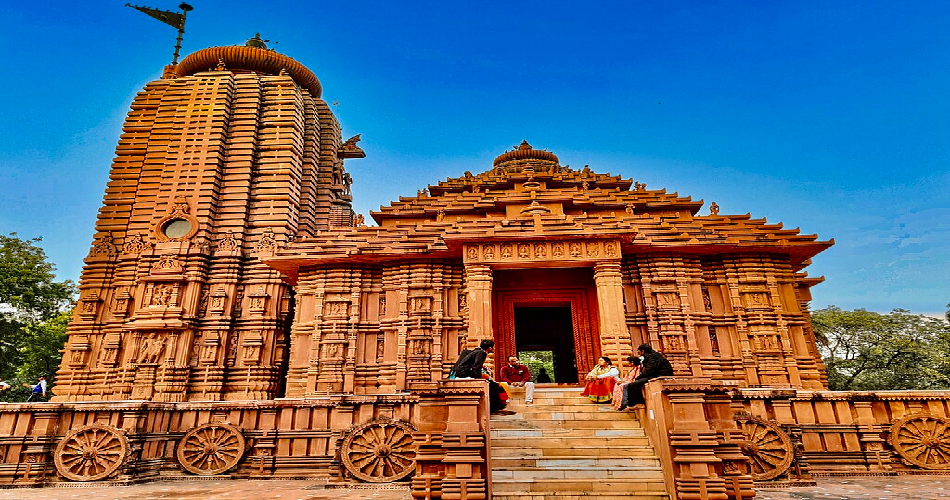
- Visit the Sun Temple, inspired by the Konark Sun Temple and known for its peaceful environment.
- Continue to Sarod Ghar (Music Museum) to understand Gwalior’s contribution to Indian classical music.
Afternoon
- Explore local areas, art centers, or spend leisure time in Morar region.
Optional
- If time permits, visit Tigra Dam on the outskirts of Gwalior for scenic views and relaxation.
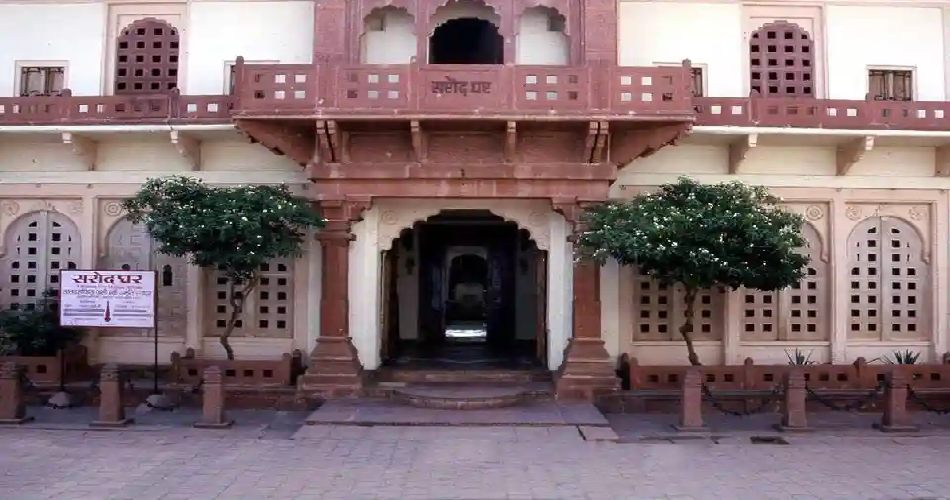
Table: Major Places to Visit in Gwalior
| Place Name | Popularity | Average Time Spent | Entry Fee |
|---|---|---|---|
| Gwalior Fort | Very High | 3–4 hours | Paid |
| Gujari Mahal Museum | High | 1–1.5 hours | Paid |
| Jai Vilas Palace Museum | High | 1–2 hours | Paid |
| Saas-Bahu Temples | High | 1 hour | Free |
| Gopachal Jain Monuments | High | 1–2 hours | Free |
| Tomb of Tansen | Medium | 30–45 minutes | Free |
| Tomb of Muhammad Ghaus | Medium | 30–45 minutes | Free |
| Gwalior Zoo | Medium | 1.5–2 hours | Paid |
| Sun Temple | Medium | 45 minutes | Free |
| Sarod Ghar (Music Museum) | Medium | 1 hour | Paid |
| Phool Bagh & Rani Laxmi Bai Samadhi | Medium | 1–2 hours | Free |
| Tigra Dam | Medium | 2–3 hours | Variable |
Travel Tips
- Confirm opening hours locally as they can vary by season or special events.
- Best time to visit Gwalior is October to March (pleasant weather).
- Wear comfortable shoes and carry water/sun protection — many historic sites involve walking.
