Khargone, located in the heart of the Malwa region of Madhya Pradesh, has a simple, rustic, and deeply satisfying food culture. The local cuisine is influenced by Malwa traditions, seasonal farming, and home-style cooking. Whether you enjoy spicy snacks, wholesome meals, or traditional sweets, Khargone’s food scene gives you an authentic taste of central India. This guide covers everything you need to know—what to eat, what it tastes like, and when locals enjoy it.
1. Dal Bafla
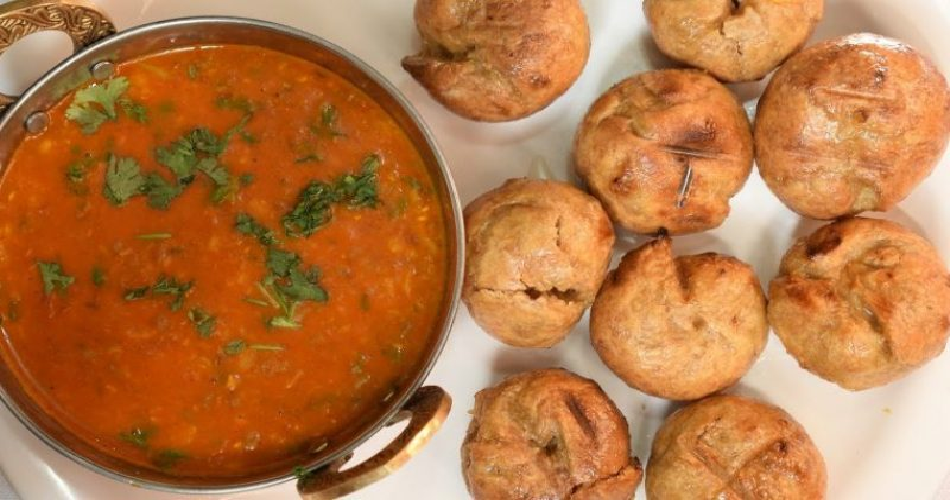
Dal Bafla is the pride of Malwa cuisine and a must-try in Khargone. Bafla is a wheat-based dough ball, first boiled and then baked or roasted, making it crisp outside and soft inside. It is generously soaked in ghee and served with spicy dal, chutney, and sometimes jaggery.
This dish is heavy, filling, and full of earthy flavors. Locals often eat Dal Bafla during family gatherings, festivals, or Sunday lunches. It represents traditional hospitality and rural Malwa cooking.
2. Poha
Poha is a daily breakfast favorite in Khargone and across Madhya Pradesh. Flattened rice is lightly cooked with onions, mustard seeds, turmeric, peanuts, and green chilies. It is soft, mildly spicy, and very light on the stomach.
Poha is usually topped with sev and served with lemon and jalebi on the side. Early mornings are the best time to enjoy fresh poha, as most stalls finish selling it by late morning.
3. Jalebi
Jalebi is one of the most loved sweets in Khargone. Made from fermented batter deep-fried into spiral shapes and soaked in sugar syrup, jalebi is crisp outside and juicy inside.
Locals often eat jalebi with poha or milk for breakfast. Evening jalebis are also popular, especially during winters and festivals. Freshness matters here—hot jalebis taste best.
4. Bhutte Ka Kees
Bhutte Ka Kees is a unique Malwa snack made from grated corn cooked with milk, mustard seeds, green chilies, and mild spices. It has a soft, creamy texture with a subtle sweetness from fresh corn.
This dish is light yet flavorful and is mostly available during the corn season. It reflects the agricultural roots of the region and is commonly eaten as an evening snack.
5. Kachori
Khargone-style kachori is spicy and filling. The deep-fried pastry is stuffed with lentils or spiced potato mixture and served hot with green chutney or tamarind chutney.
Locals prefer kachori for breakfast or evening snacks. Compared to other regions, Malwa kachoris are more spicy and robust in taste.
6. Samosa
Samosas in Khargone are simple but satisfying. The stuffing usually includes potatoes, peas, and local spices. They are crisp, slightly thick, and best enjoyed hot.
Samosas are common tea-time snacks and are available throughout the day. Many locals pair them with green chutney and strong tea.
7. Sabudana Khichdi
Sabudana Khichdi is popular during fasting days but is also enjoyed as a light meal. It is made from soaked tapioca pearls cooked with peanuts, green chilies, and mild seasoning.
The Khargone version is soft, non-sticky, and lightly spiced. It is easy to digest and commonly eaten during religious occasions.
8. Malpua
Malpua is a traditional sweet pancake made from flour, milk, and sugar, deep-fried and sometimes soaked in sugar syrup. It is soft, rich, and mildly aromatic.
In Khargone, malpua is usually prepared during festivals, weddings, and special family events. It is often served with rabri or plain milk.
9. Local Namkeen and Sev
Khargone offers a variety of dry snacks like sev, gathiya, and spicy mixtures. These are crunchy, flavorful, and made using traditional methods.
People often carry these namkeens while traveling or enjoy them with tea. They also make popular take-home food items for visitors.
10. Lassi and Chaas
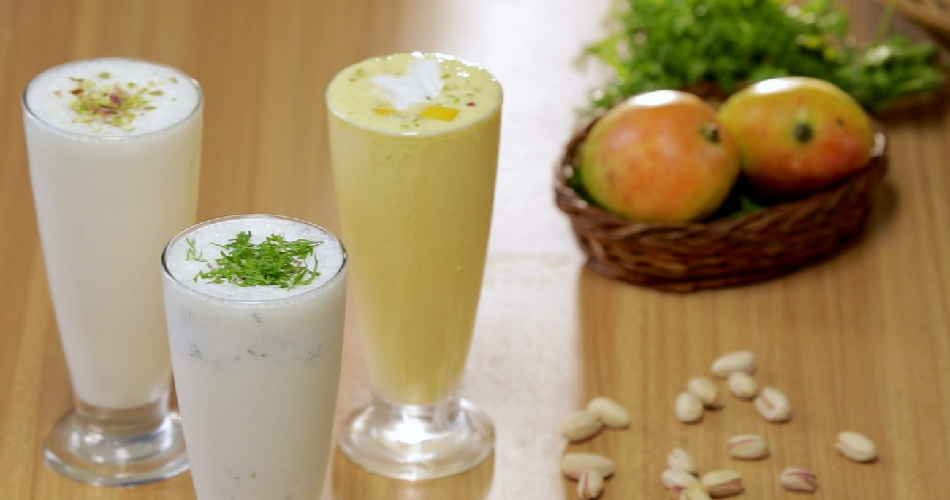
To balance the spicy food, locals love lassi (sweet yogurt drink) and chaas (buttermilk). Lassi is thick, creamy, and mildly sweet, while chaas is light, salty, and refreshing.
These drinks are especially popular during summers and are commonly consumed after meals to aid digestion.
Food Tips for Visitors to Khargone
- Morning is the best time for poha and jalebi
- Evening hours are ideal for snacks like samosa, kachori, and bhutte ka kees
- Traditional meals like dal bafla are best enjoyed at local eateries or family-run places
- Food is generally spicy but can be adjusted if you ask
- Most dishes are vegetarian and freshly prepared
Final Note
Khargone’s food is not about fancy presentation—it is about comfort, tradition, and honest flavors. Every dish reflects local lifestyle, agriculture, and culture. If you follow this list, you won’t miss anything essential, and you’ll experience Khargone exactly the way locals do—one plate at a time.
